

Low Budget Rainwater Harvesting Ideas for Indian Farmers

Low-budget rainwater harvesting ideas for Indian farmers include field bunding, contour trenches, farm ponds, rooftop water collection, recharge pits, and using plastic-lined storage tanks. These methods are affordable, easy to maintain, and significantly improve water availability for crops and livestock. For professional installation and guidance, farmers can consult Jalsanchay for customized farm rainwater harvesting solutions.


India’s Farmers Need Water Security More Than Ever

Across India, farmers depend heavily on monsoon rains — yet rainfall is becoming unpredictable. Borewells dry up, tanker water is expensive, and crop losses are rising.

But there’s good news: rainwater is still free, and with the right low-cost methods, farmers can store and use it all year round.

At Jalsanchay, we help farmers across India harvest rainwater affordably, efficiently, and practically — even with small budgets.

This blog covers simple, low-budget rainwater harvesting ideas every Indian farmer can implement with minimal investment.


1️⃣ Field Bunding – The Simplest Water-Saving Technique

Field bunding is one of the oldest and most effective ways Indian farmers trap rainwater within their fields.

How it works:

Small mud walls (bunds) are created around fields to slow down the water flow.

Benefits:

  • Prevents soil erosion
  • Boosts groundwater recharge
  • Increases soil moisture for longer periods
  • Extremely low cost

Ideal for:

Dryland farmers, small landholders, uneven fields.


2️⃣ Contour Trenches and Contour Bunding

These techniques follow the natural shape of your land to hold water.

How it works:

You dig shallow trenches or small bunds along the contour line of the land.

Benefits:

  • Reduces soil erosion
  • Slows water flow
  • Allows more water to infiltrate soil
  • Increases crop yield

Cost:

Very low — mainly labor + basic tools.


3️⃣ Farm Ponds – The Best Low-Cost Water Bank

A farm pond creates a permanent on-farm water reservoir.

How it works:

A pit is excavated to store rainwater.

Farmers use pond water for:

  • Irrigation
  • Cattle
  • Drip systems
  • Spray pumps

Cost options:

✔ Normal mud pond – lowest cost
✔ Plastic-lined pond – medium cost with less seepage
✔ Cement-lined pond – durable but higher cost

Extra Tip:

Pairing farm ponds with rooftop collection from sheds can double the water stored.


4️⃣ Recharge Pits for Borewell Revival

If your borewell yield has dropped, this is the most budget-friendly way to revive it.

How it works:

A pit filled with stones, gravel, and sand filters rainwater into the borewell.

Benefits:

  • Increases borewell water level
  • Simple and low cost
  • Works even in low-rain areas

Jalsanchay’s role:

We design scientific recharge pits so water enters groundwater safely and efficiently.


5️⃣ Check Dams and Mini Check Dams

These are small barriers across water flow paths.

Benefits:

  • Slows runoff
  • Allows water to soak into soil
  • Helps recharge the aquifer
  • Works brilliantly for hillside farms

Budget:

Very low — stones + mud + labor.


6️⃣ Shed / Rooftop Water Harvesting for Farms

Most farms have sheds for:
✔ Cattle
✔ Equipment
✔ Grain storage

These roofs can collect thousands of litres of pure rainwater.

How it works:

  • Install gutters on the shed
  • Connect to storage tanks or ponds

Benefits:

  • Clean water
  • Zero wastage
  • Low investment
  • Highly efficient in low-rain seasons

7️⃣ Plastic / Drum Storage Systems

If you don’t have a pond, you can still store rainwater.

Use:

  • PVC tanks
  • Plastic drums
  • Low-cost ferrocement tanks

These storage options are durable and require minimal maintenance.


8️⃣ Mulching – The Hidden Power Technique

You’ve seen your grandparents do this…

How it works:

Cover the soil with:

  • Crop waste
  • Dry leaves
  • Straw

Benefits:

  • Retains soil moisture
  • Reduces watering needs
  • Controls weeds
  • Supports crop health

9️⃣ Diversion Channels for Smart Water Routing

A smart, low-cost way to direct water to where it’s needed.

Benefits:

  • Prevents water logging
  • Channels extra rainwater to ponds or pits
  • Protects crops

10️⃣ Community-Based Harvesting for Shared Benefit

Farmers in the same village can share:

  • Check dams
  • Recharge wells
  • Large community ponds

This reduces cost and increases benefit.


How These Low-Cost Solutions Transform a Farmer’s Life

BenefitImpact
More water for cropsHigher yield
Reduced tanker costMajor savings
Revived borewellsYear-round farming
Increased soil healthLong-term productivity
Reduced drought impactStable income

Why Indian Farmers Trust Jalsanchay

At Jalsanchay, we specialize in affordable and effective rainwater harvesting for farms.

Our services include:

✔ Farm pond design + excavation guidance
✔ Shed rooftop rainwater harvesting
✔ Borewell recharge pits
✔ Groundwater recharge
✔ Village-level community water projects
✔ Custom water solutions for every farm size

We focus on low-cost, high-impact solutions that work in real Indian farming conditions.


Conclusion: Rainwater Is the Farmer’s Best Friend — Just Capture It

Water scarcity is no longer a challenge when you know how to use the rain wisely.
With simple, low-budget harvesting solutions, every Indian farmer can secure water for crops, cattle, and daily needs.

Rainwater harvesting is not just technology —
it’s a lifeline.

And with the right experts, it becomes a long-term blessing.


📞 Need Help Setting Up a Low-Budget Rainwater Harvesting System?

Contact Jalsanchay Today:

  • Farm-level survey
  • Customized low-cost solutions
  • Borewell recharge
  • Pond design
  • End-to-end execution

👉 Jalsanchay — India’s trusted rainwater harvesting consultant & service provider.

📞 Call / WhatsApp Jalsanchay: 9016465919
📧 Email: ask@jalsanchay.com
🌐 Website: jalsanchay.com


What We Can Learn from the Rainwater Harvesting Model in Hampi

Ancient Rainwater Harvesting Model in Hampi demonstrates smart water management through interconnected tanks, canals, and step wells that captured monsoon runoff, recharged groundwater, and supported communities. Modern RWH systems by Jalsanchay replicate these principles to ensure water security, reduce dependence on borewells, and promote sustainable water use.


Hampi — A Living Lesson in Water Wisdom

Hampi, the UNESCO World Heritage Site in Karnataka, isn’t just famous for its temples and ruins — it’s a masterclass in ancient water management.

Despite being located in a semi-arid region with unpredictable rainfall, Hampi’s Vijayanagara kings ensured the city had abundant water for drinking, irrigation, and daily life. Their secret? Ingenious rainwater harvesting techniques.

At Jalsanchay, we study such historical RWH models to design modern systems that combine efficiency, sustainability, and cost-effectiveness.


1️⃣ Interconnected Tank System

Hampi had a network of stepped tanks and ponds, all strategically connected to manage water flow.

Key Features:

  • Tanks were located at different elevations
  • Overflow from one tank fed the next
  • Ensured optimal use of monsoon rainwater
  • Stored water for months after the rains

Lesson for today:
Modern community ponds and multi-tank RWH systems work on the same principle — maximizing storage and minimizing wastage.


2️⃣ Step Wells and Kalyanis

Step wells (baolis) and temple tanks (kalyanis) in Hampi were more than aesthetic marvels.

Functions:

  • Provided water for drinking and rituals
  • Allowed year-round access through steps
  • Naturally filtered rainwater through sand and stone

Modern takeaway:

  • Roofwater collection into underground tanks
  • Sand and gravel filtration
  • Easy access and maintenance

Jalsanchay replicates this with modern filtration and storage techniques for homes, apartments, and offices.


3️⃣ Canals and Channels

Hampi’s planners built stone channels and canals that directed rainwater from hills and roads into reservoirs.

Impact:

  • Minimized water loss
  • Reduced urban flooding
  • Recharged local aquifers

Modern adaptation:

  • Surface runoff collection
  • Contour trenches for farms
  • Rainwater diversion to recharge pits and ponds

This reduces dependence on borewells while controlling flooding — exactly how Jalsanchay designs urban and farm systems today.


4️⃣ Recharge of Groundwater

One of Hampi’s most important principles was groundwater recharge. Tanks and ponds allowed water to seep slowly into the earth.

Why it worked:

  • Maintained aquifer levels
  • Supported wells even in dry months
  • Sustained agriculture and livestock

Lesson for modern India:

  • Borewell recharge pits
  • Farm pond infiltration zones
  • Rooftop recharge systems

Jalsanchay integrates all these features, ensuring maximum groundwater replenishment for residential, farm, and industrial applications.


5️⃣ Sustainability and Community Management

The success of Hampi’s system wasn’t just engineering — it was community-driven. Citizens maintained tanks, ensured cleanliness, and controlled usage.

Modern takeaway:

  • Societies and villages must participate in RWH
  • Maintenance is as crucial as design
  • Community awareness maximizes benefits

Jalsanchay provides end-to-end support, from planning to maintenance, making RWH systems sustainable for decades.


Why Jalsanchay Uses Ancient Models for Modern RWH

Hampi teaches us that:

  • Elevated tanks maximize gravity flow → reduces pumping
  • Step wells ensure accessibility → encourages usage
  • Connected ponds optimize storage → reduces wastage
  • Recharge-focused design → restores groundwater
  • Community involvement → ensures long-term success

By combining ancient wisdom and modern technology, Jalsanchay delivers efficient, cost-effective, and sustainable rainwater harvesting systems.


Conclusion: Hampi’s Legacy Can Solve Today’s Water Crisis

Hampi shows us that water scarcity is not inevitable — careful planning, smart structures, and community participation can provide water security even in dry regions.

Today, modern India faces similar challenges: groundwater depletion, erratic rainfall, and urban flooding. By following Hampi’s principles, Jalsanchay helps homes, farms, and societies:
🌧 Capture rain efficiently
💧 Recharge groundwater
🏡 Reduce water bills
🌿 Support greenery and local ecosystems

Rainwater harvesting is timeless wisdom adapted for modern needs.


📞 Contact Jalsanchay for Expert RWH Solutions Inspired by Hampi

Whether you want:

  • Rooftop rainwater harvesting for homes and societies
  • Farm ponds and contour recharge systems
  • Borewell recharge or community ponds

Jalsanchay provides complete consultation, design, and implementation services for low-cost, high-impact rainwater harvesting across India.

📞 Call / WhatsApp Jalsanchay: 9016465919
📧 Email: ask@jalsanchay.com
🌐 Website: jalsanchay.com
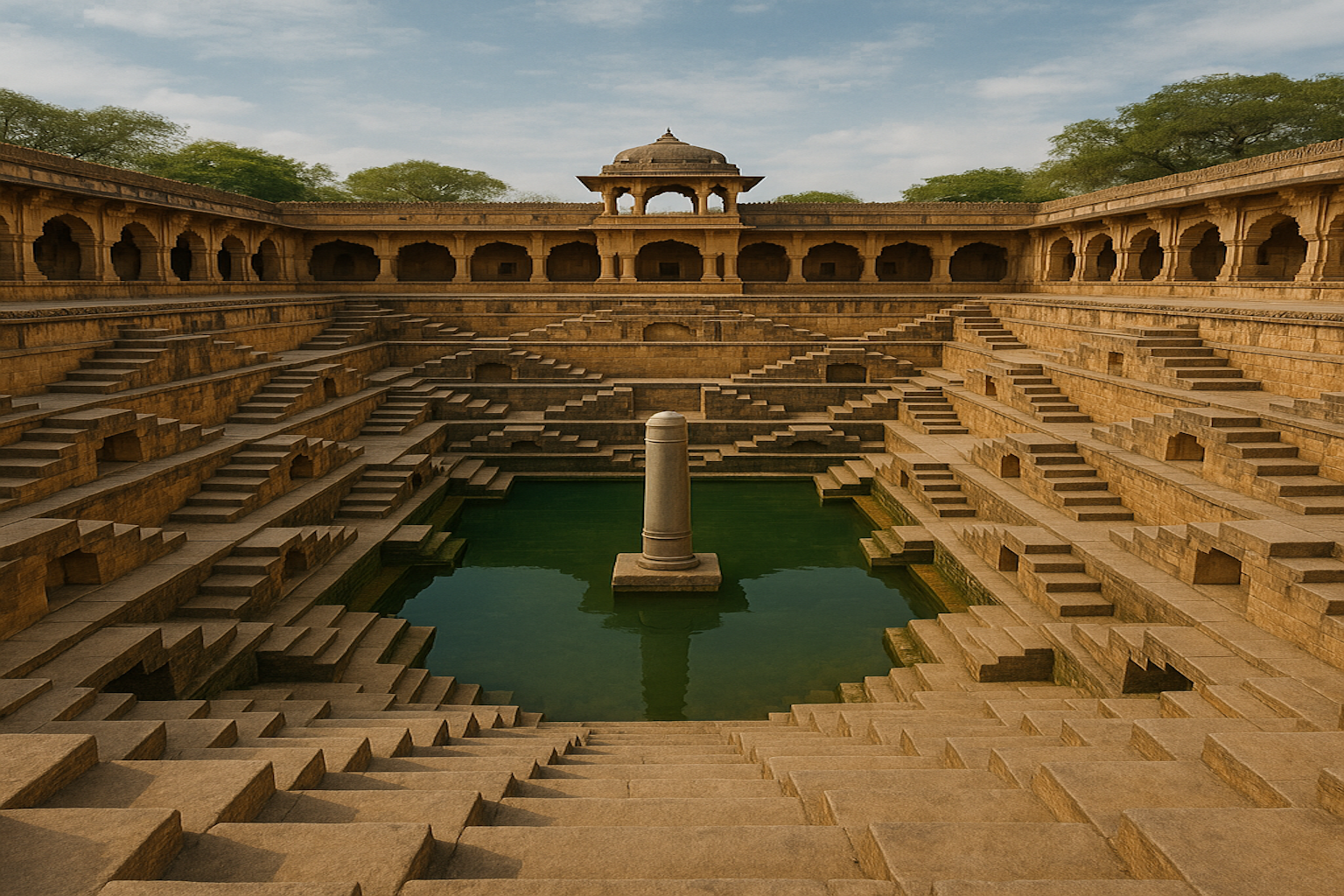

Do You Know About Ancient Indian Rainwater Harvesting Practices?

Indians have been practicing rainwater harvesting for thousands of years, using step wells, tanks, ponds, and rooftop collection methods. Ancient Indian Rainwater Harvesting Practices conserved water for drinking, irrigation, and livestock, while also recharging groundwater. Today, Jalsanchay modernizes these traditional techniques with scientific designs for homes, societies, farms, and industries.


Ancient Indian Rainwater Harvesting Practices

Water scarcity is not new to India. Long before modern technology, Indian civilizations devised ingenious methods to conserve and use rainwater efficiently. From the Harappan era to the medieval kingdoms, water harvesting was a cornerstone of survival.

At Jalsanchay, we study these ancient practices to design modern, efficient rainwater harvesting (RWH) systems that honor tradition while solving today’s water crisis.

Let’s explore how our ancestors managed water — and how we can adapt it today.


1️⃣ Step Wells (Baolis and Vavs)

Step wells were common in Rajasthan, Gujarat, and Maharashtra. These multi-level wells collected and stored rainwater in underground chambers.

Why it mattered:

  • Provided water year-round in arid regions
  • Stored clean water for domestic use
  • Allowed community access to water even during dry seasons

Modern takeaway:
Step wells inspired modern underground storage tanks and borewell recharge systems that Jalsanchay implements today.


2️⃣ Temple Tanks and Community Ponds

Temples across India often had large water tanks that served communities. Similarly, villages built common ponds to store rainwater for:

  • Drinking
  • Irrigation
  • Livestock

Impact:

  • Promoted social cooperation
  • Recharged groundwater
  • Reduced dependency on rivers

Modern version:

  • Roofwater collection into storage tanks
  • Community rainwater recharge systems
  • Farm ponds linked to rooftop runoff

3️⃣ Rainwater Storage in Forts and Palaces

Historical forts like Amber Fort (Rajasthan) and Golconda Fort (Telangana) had intricate rainwater collection systems:

  • Channels directing rain to cisterns
  • Step-down reservoirs
  • Stone gutters capturing runoff

Lesson for today:
Even high-traffic areas can harvest rainwater efficiently. Modern society-level RWH systems follow the same principles, designed by Jalsanchay.


4️⃣ Terraced Farming and Contour Bunding

In hilly regions like Himachal Pradesh and Uttarakhand:

  • Farmers built terraces
  • Created small bunds to trap water
  • Reduced soil erosion

Modern adaptation:
These methods inspire today’s contour trenches, check dams, and soil moisture retention systems — efficient ways to conserve rainwater and recharge aquifers.


5️⃣ Rooftop Harvesting in Ancient Homes

Even ordinary homes in medieval towns had sloping roofs and storage tanks:

  • Rainwater from roofs was collected in underground tanks
  • Used for cooking, drinking, and washing

Modern Jalsanchay systems:

  • Roofwater harvesting for homes and societies
  • Filtration and storage tanks
  • Integration with gardens and irrigation systems

Why Ancient RWH Still Works Today

Ancient PracticeModern Jalsanchay SolutionBenefit
Step wellsUnderground storage tanks, borewell rechargeWater available year-round
Temple tanks / pondsCommunity ponds & farm pondsGroundwater recharge, irrigation
Fort reservoirsSociety and industrial RWHLarge capacity, multiple users
Terracing & bundingContour trenches, check damsSoil moisture retention, erosion control
Roof collectionModern roofwater harvestingClean, low-cost water for daily use

The Environmental and Economic Benefits

  • Reduces dependency on groundwater and tankers
  • Lowers electricity use for pumping → reduces carbon emissions
  • Promotes greenery and soil conservation
  • Prevents flooding and water wastage
  • Saves money for households and communities

Rainwater harvesting isn’t just history — it’s a modern climate-smart solution.


Why Jalsanchay Is Your Modern RWH Partner

At Jalsanchay, we bridge ancient wisdom and modern technology:

✔ Home & society rooftop RWH systems
✔ Farm ponds and contour-based harvesting
✔ Community and industrial water solutions
✔ Borewell recharge and underground tanks
✔ Customized design, installation, and maintenance

We turn historical knowledge into practical, cost-effective, and efficient systems for every Indian home and farm.


Conclusion: From Ancient Wisdom to Modern Water Security

India’s ancestors knew the value of rain. They didn’t let it go to waste — and neither should we.

With scientific RWH systems by Jalsanchay, we can:
🌧 Capture every drop
🌿 Recharge groundwater
💧 Secure water for future generations
⚡ Save energy and reduce carbon footprint

The legacy of rainwater harvesting lives on — let’s continue it with modern solutions.


📞 Contact Jalsanchay for Expert Rainwater Harvesting Solutions

Whether you want:

  • Rooftop rainwater harvesting for your home or society
  • Farm ponds or contour recharge systems
  • Borewell recharge or community water projects

📞 Call / WhatsApp Jalsanchay: 9016465919
📧 Email: ask@jalsanchay.com
🌐 Website: jalsanchay.com

Jalsanchay is your trusted partner for low-cost, high-impact rainwater harvesting across India.